How It Works
Fiji is 333 islands. Most visitors see two or three. This guide covers the regions that matter most, from the main island of Viti Levu all the way to Taveuni and Kadavu, and the experiences in each that are actually worth your time. We've left out the tourist traps and kept what is real. Some regions you can reach in an hour drive. Others require a boat or a flight, which is part of why they feel different. We grew up here. We know these roads, these reefs, these villages. This is what we'd actually do if we had a week, or two weeks, or a month.
Viti Levu: Nadi
Nadi & Gateway Experiences
There is more to Nadi than the airport. The city itself holds the real introduction to Fiji.
The Nadi Municipal Market is where the real city lives. Vendors from across Fiji sell tropical fruit, yaqona root, handwoven mats, fresh ginger and kava. Go early, before 9am, when the energy is at its peak and the produce is freshest. The Sri Siva Subramaniya Temple is the largest Hindu temple in the Southern Hemisphere, painted in detail with deities, colour, and stories told in stone. It is open to visitors. The Sabeto Valley, just 20 minutes from the city, offers geothermally heated mud pools you can wade into, then rinse off in natural hot springs. The Garden of the Sleeping Giant is a 20-hectare rainforest garden holding hundreds of orchid species across quiet boardwalks. And Viseisei Village on Vuda Point is considered the site of the first Fijian settlement, where oral tradition traces back centuries. A respectful village visit here gives you context that no museum can replicate.
Worth knowing
- •Nadi Municipal Market — go before 9am for fresh produce and real energy
- •Sri Siva Subramaniya Temple — the Southern Hemisphere's largest Hindu temple with intricate Dravidian architecture
- •Sabeto Hot Springs & Garden of the Sleeping Giant — geothermal experiences and 20 hectares of orchids
Traveller tips
- ✓The market is busiest and freshest in early morning hours
- ✓Dress modestly at the temple—sarongs are available at the entrance
- ✓Viseisei Village visits should be respectful and arranged through a local guide
Viti Levu: Coral Coast
Coral Coast & Scenic Experiences
The south coast offers a mix of natural wonders and adventures that feel genuinely Fijian.
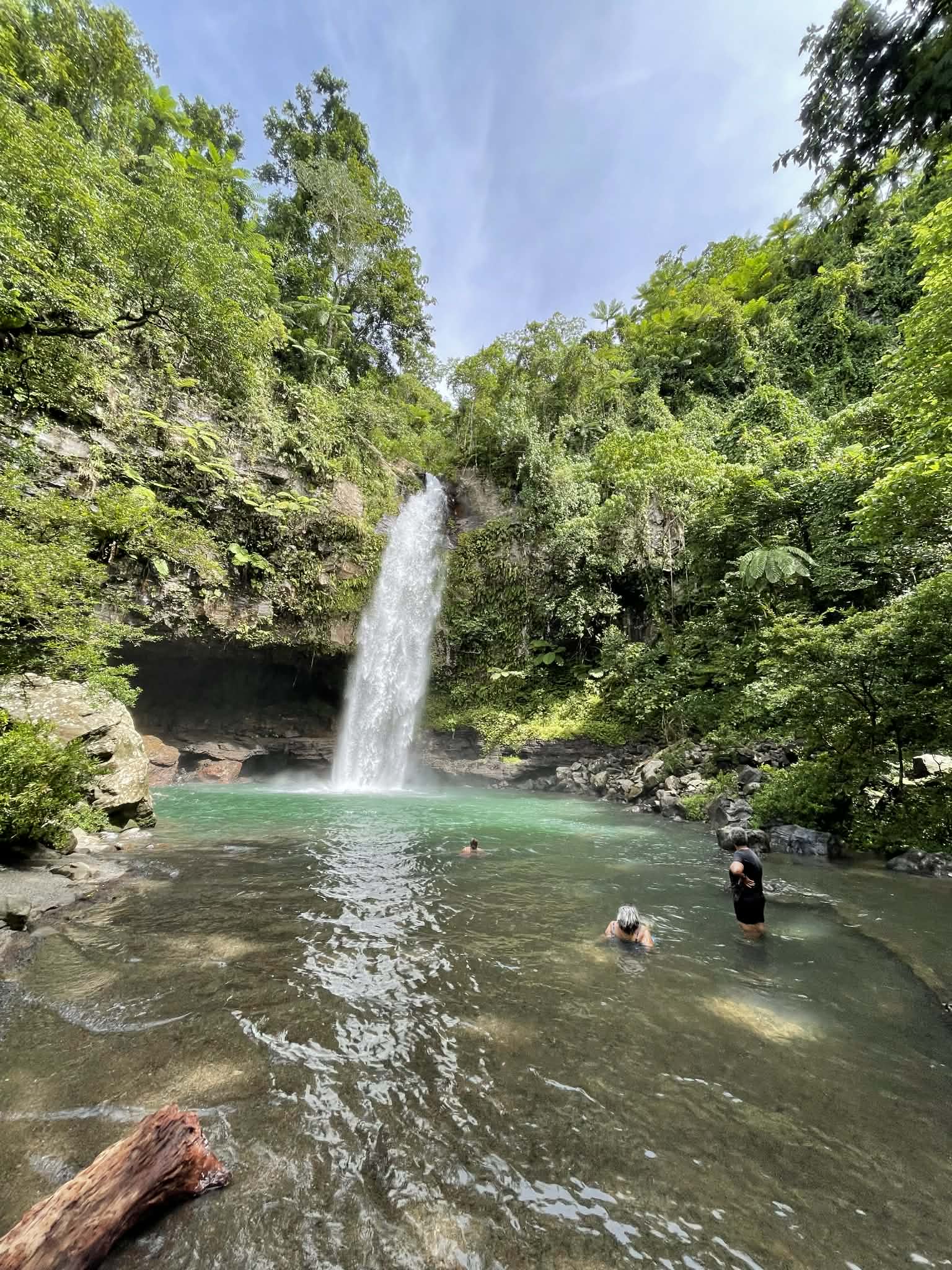
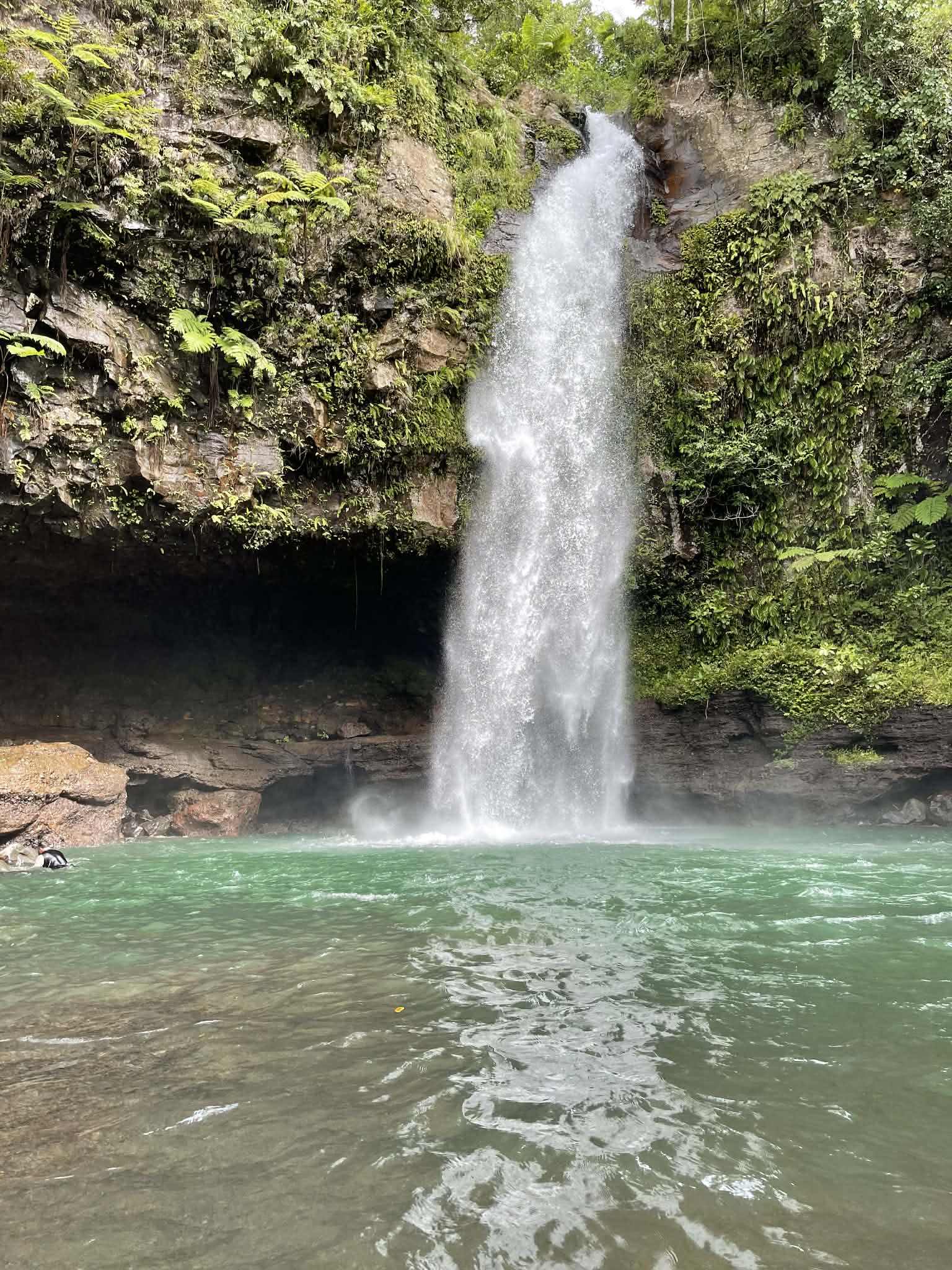
The Sigatoka River Safari takes you up Fiji's longest river by jet boat into landscape that barely changes from century to century. You stop at a working village, learn about kava preparation, and get a window into rural Fijian life that most coastal travellers never see. One of the most honest cultural experiences on the main island. The Sigatoka Sand Dunes are Fiji's first national park: 60-metre wind-sculpted dunes formed over thousands of years with archaeological finds of ancient pottery embedded in them. Walk the trail to the ridge and the coast opens up. Biausevu Waterfall is a 20-metre drop near the village of Biausevu, a 30-minute walk from the Queens Highway. Hire a local village guide (essential, and worth it—they tell you things the trail doesn't). Ecotrax Rail Bikes are electric-assisted bikes on the old sugar cane railway tracks, taking you through mangroves, river crossings, open coastline and small villages in about three hours. Book in advance—it fills up. Natadola Beach is one of the best stretches of beach on the main island: white sand, clear water, not overrun. Walk it, swim it, or just sit with it.
Worth knowing
- •Sigatoka River Safari — jet boats through rural villages and Fiji's longest river
- •Sigatoka Sand Dunes National Park — 60-metre dunes with archaeological finds
- •Ecotrax Rail Bikes — three hours on the old sugar cane railway through diverse landscapes
Traveller tips
- ✓Hire a local village guide for Biausevu Waterfall—they know the route and the stories
- ✓Book rail bikes in advance—they fill up regularly
- ✓Stop at roadside fruit stalls along the highway—seasonal produce and genuine conversations
Viti Levu: Pacific Harbour
Pacific Harbour & Adventure
The ocean here is serious, and so are the experiences. This is Fiji's adventure capital.
The shark dive in Beqa Lagoon is what most people come for. Bull sharks. In open water. At close range. This is one of the most famous dive experiences in the world, and Fiji does it as well as anywhere. Dive operators based in Pacific Harbour run daily trips with both certified diver and introductory options. The Upper Navua River offers full-day rafting through a remote highland gorge—basalt walls, waterfalls feeding in from both sides, Grade III–IV rapids, and stretches of still water that feel completely removed from the world. Kula Wild Adventure Park is Fiji's only wildlife and zip line park, built around native species rehabilitation and genuine conservation. Home to iguanas, parrots, turtles, sea snakes. The zip lines above the ocean are genuinely good. Beqa Island is home to the legendary Fijian firewalkers—the Sawau people, who walk barefoot across red-hot stones in a ceremony practised for centuries. Village visits here carry genuine cultural weight. And off-road buggy tours take you through muddy mountain tracks and ridge-top views behind Pacific Harbour—a good option if you've had a serious day in the water and want something different on land.
Worth knowing
- •Shark Dive in Beqa Lagoon — bull sharks in open water, one of the world's most talked-about dives
- •Upper Navua River Rafting — full day through highland gorges with waterfalls and challenging rapids
- •Beqa Island & Firewalking Ceremony — centuries-old tradition of the Sawau people
Traveller tips
- ✓Book the shark dive well in advance—spots fill up months ahead
- ✓Bring a waterproof bag if diving or rafting
- ✓All activities require advance booking; don't rely on walk-ups
Viti Levu: Suva
Suva & Fiji's Real Capital
Underestimated and undervisited, Suva is more interesting than most people expect.
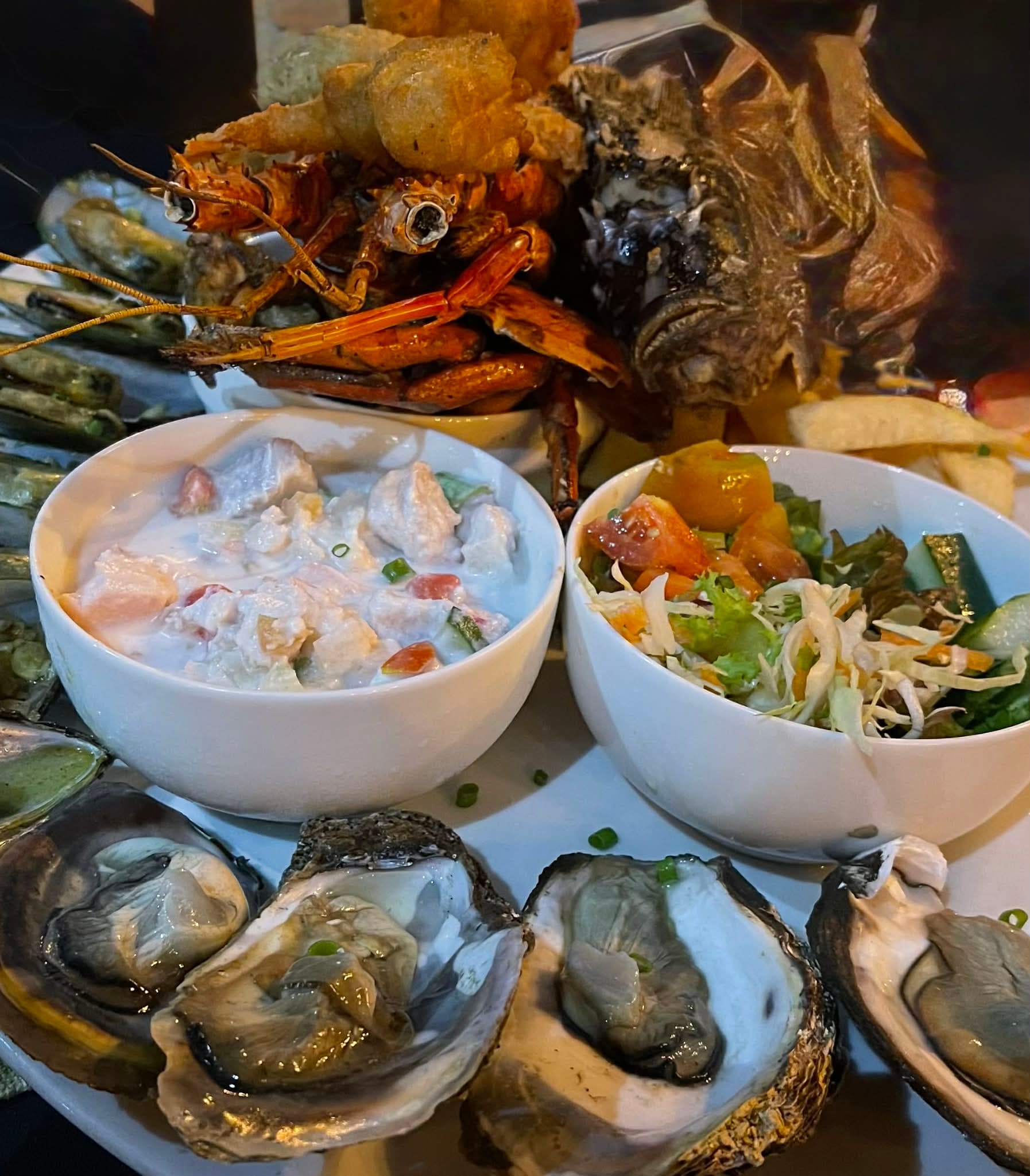
The Fiji Museum in Thurston Gardens holds one of the Pacific's most significant collections—archaeological material dating back 3,700 years, canoes, weapons, cultural objects, and the story of how Fiji was settled and shaped. Set in the botanical gardens opposite the Grand Pacific Hotel. Allow an hour, minimum. The Suva Municipal Market is one of the largest fresh produce markets in the Pacific—vendors from all over Fiji selling tropical fruit, root vegetables, spices, kava, and street food at the edges. The energy here is different from Nadi's: busier, more urban, more layers. Best time to visit is a weekday morning. A local poet and storyteller leads walking tours through Suva's streets, harbour, architecture and history. He knows the city the way people who grew up in cities always do—the layers beneath the surface. This is the kind of experience that changes how you look at a place. The Grand Pacific Hotel, built in 1914, has hosted Queen Elizabeth II, Prince Philip, and every significant visitor to Fiji across a century. The colonial-era architecture, the verandah overlooking the harbour, and the afternoon tea service make this worth two hours of your Suva day even if you're not staying. Suva's food scene is the most diverse in Fiji—Indian, Chinese, Fijian, and fusion at every price point. The waterfront area has cafes and restaurants worth exploring, and Lami just outside Suva has some of the best local food in the country.
Worth knowing
- •Fiji Museum in Thurston Gardens — 3,700 years of Pacific history and archaeology
- •Suva Municipal Market — one of the largest fresh produce markets in the Pacific
- •A Poet's Walking Tour — stories and architecture of Fiji's capital through a local guide
Traveller tips
- ✓Visit the museum in the morning for better light and fewer crowds
- ✓Market is best on weekday mornings—the rhythm is different from Nadi's
- ✓Ask us to connect you with the walking tour guide—he knows the city inside out
Viti Levu: North Coast
Suncoast to Rakiraki & the Quiet North
The north coast gets the most sun in Fiji and far fewer tourists than the south.
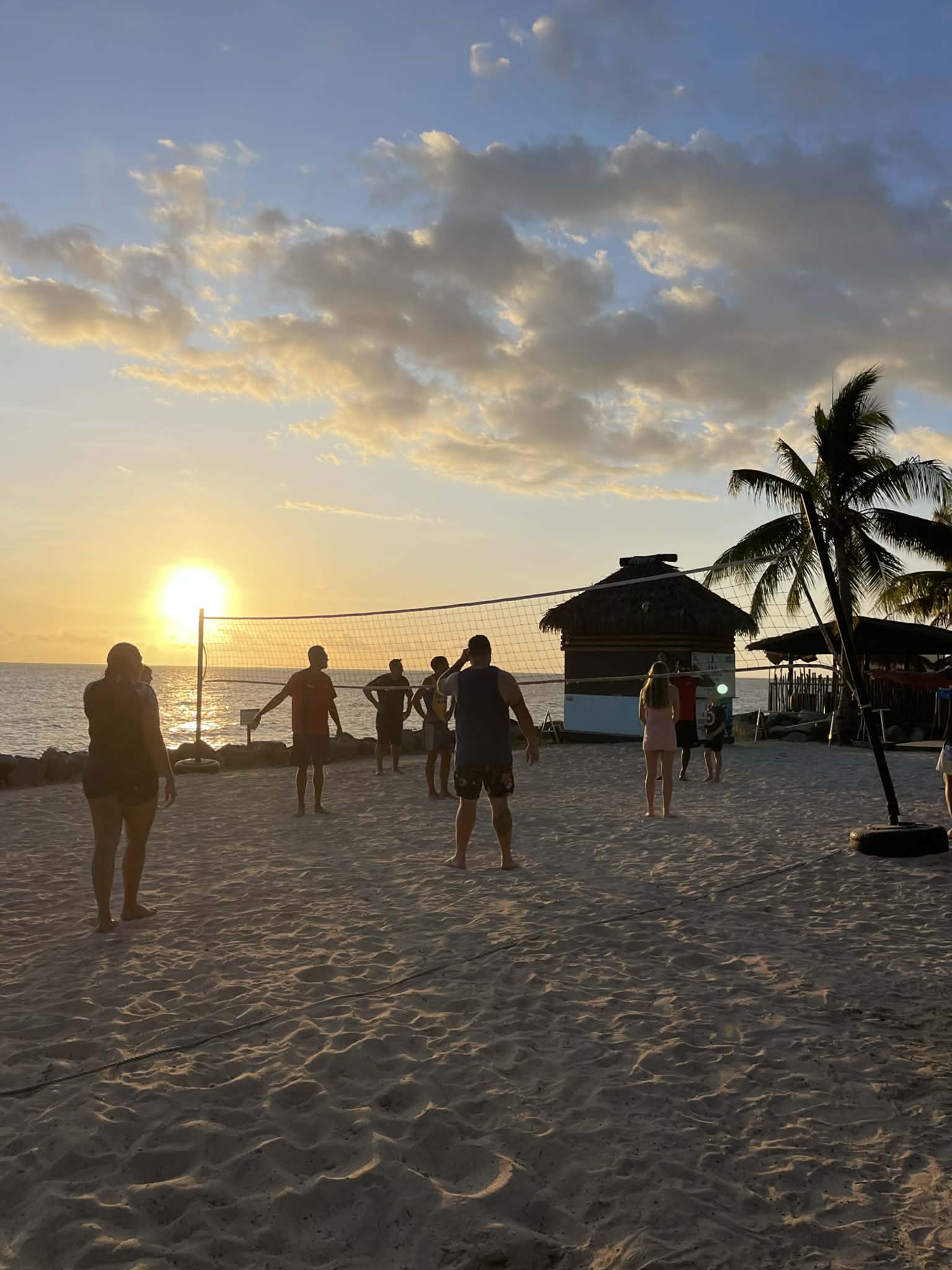
From Lautoka through Ba to Rakiraki, this stretch moves at a different pace. Lautoka is Fiji's second city, built on the sugar industry. The market is worth a stop: yaqona, seasonal fruit, craft stalls. Just north is one of the few restaurants dedicated to authentic indigenous Fijian food—kokoda, lovo dishes, root vegetables cooked in traditional ways. The setting is simple and the food is the point. Viseisei Village, between Nadi and Lautoka, is considered the oldest continuously inhabited settlement in Fiji—where oral tradition says the ancestors of the Fijian people first arrived. Ba is one of the most authentically Indo-Fijian towns on the island, a legacy of indentured labourers brought to work the sugar fields in the 19th century. The market, streets, food, and architecture tell that story. The Ba River runs through town, and the surrounding farmland is some of the most productive in Fiji. Vuda Point Marina north of Nadi is a working marina for yachts crossing the Pacific. The restaurant mixes sailors, locals and travellers in a way that feels genuinely Fijian. At Rakiraki, the north coast reef system is significantly less visited than the Mamanucas or Beqa, which means the diving is less crowded and more intact. The dive operation here is consistently rated among the best in the world. St. Francis Xavier Church southeast of Rakiraki holds a Black Christ mural painted in 1962 by American artist Jean Charlot. Nananu-i-Ra Island is a small, hilly island off the coast, accessible by short boat ride from Ellington Wharf, with excellent snorkelling off the shores and hiking trails with views across the Koro Sea—quiet, unstructured, Fiji without the infrastructure.
Worth knowing
- •Authentic Fijian Cuisine — the few restaurants in Fiji dedicated to indigenous cooking
- •North Coast Diving at Rakiraki — soft corals, reef sharks, and walls that few divers see
- •Nananu-i-Ra Island — quiet snorkelling and hiking accessible by boat from the north coast
Traveller tips
- ✓Stop often on this drive—the journey is the destination
- ✓Ask at your accommodation for local guides and hidden spots
- ✓Book diving in advance if you have limited time
The Outer Islands
The Mamanuca & Yasawa Islands
Easy to reach by day trip or overnight, these island chains offer reef experiences and village culture.
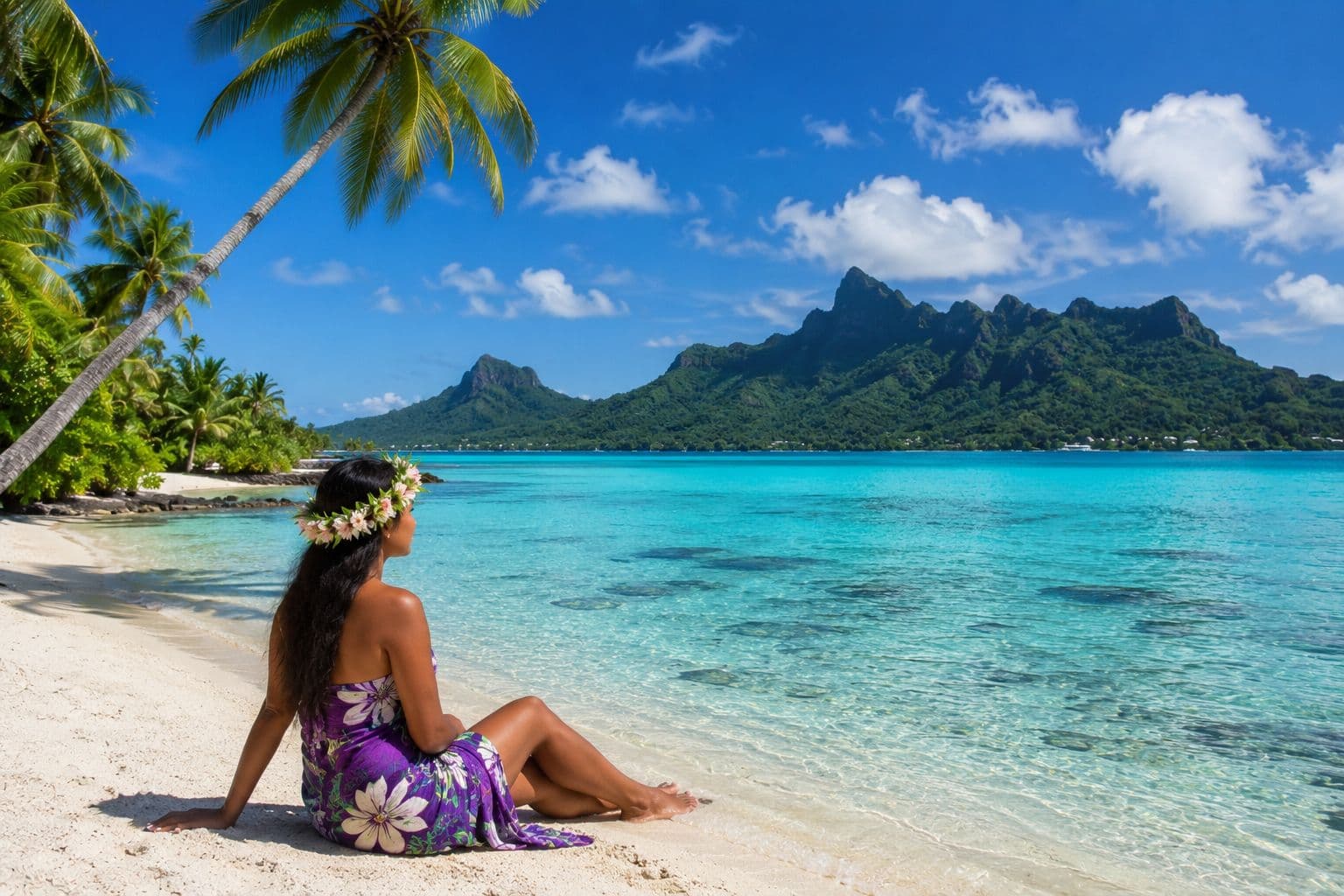
The Mamanuca Islands are closest to Nadi. Monuriki Island is where Cast Away was filmed and looks exactly like the movie. Day trips run from Port Denarau, or overnight anchorages on small-ship cruises. Walk the beach, snorkel the reef, and have the island largely to yourself outside peak hours. Off the chiefly village of Soso, reef sharks gather in a protected bay where snorkellers can enter the water with them in conditions that are safe and remarkable in equal measure. The Floating Bar on the Reef is a multi-level floating platform anchored on the Malolo reef with bar, restaurant, sun decks, and a pizza oven. South Sea Island is a tiny coral island about 45 minutes from Port Denarau—white sand, clear lagoon, snorkelling right off the beach. Bounty Island is slightly further and quieter. Malolo Island is home to two traditional villages, Solevu and Yaro. A respectful village visit gives you a sense of what island community life looks like when the resort isn't running it. The Yasawa Islands stretch north for 80 km, volcanic and rugged. Sawa-i-Lau Limestone Caves are a cathedral-like cave system accessible only by boat—you swim through a narrow underwater passage into an interior cave with light filtering down from above, the water impossibly clear. The Blue Lagoon between Nanuya Lailai and Nanuya Levu is turquoise, shallow over sand, with a reef edge that drops into deeper water just beyond—this is where Fiji's most photographed scenes were filmed. The Yasawa villages maintain some of the strongest traditional structures in Fiji—chiefly systems, communal life, kava ceremonies, and a relationship with the land and sea that hasn't been commercialised. Naviti and Waya Island hikes offer ridge-top views across the chain, with trails to viewpoints over bays, reefs, and neighbouring islands. A passenger ferry runs from Port Denarau through the Mamanucas and up the Yasawa chain, stopping at resorts and islands along the way. You can buy a multi-day pass and hop on and off—one of the best ways to see the islands on a budget.
Worth knowing
- •Monuriki Island (Cast Away Island) — the uninhabited island that looks exactly like the film
- •Sawa-i-Lau Limestone Caves & Blue Lagoon — underwater cave system and turquoise waters
- •Island Hopping by Ferry — affordable multi-day passes to explore the chain at your own pace
Traveller tips
- ✓Book reef shark snorkelling through licensed operators only
- ✓Island hopping by ferry works well for exploring multiple islands on a budget
- ✓Chiefly villages in the Yasawas maintain strong traditional structures—protocol matters more here
The Outer Islands
Vanua Levu, Taveuni & Kadavu
For divers, adventurers, and anyone seeking genuine remoteness, these islands deliver.
Vanua Levu is Fiji's second island, bigger than most people expect, quieter than almost anywhere else in the country. The Namena Marine Reserve between Vanua Levu and the Koro Sea is a protected marine area considered one of the best dive sites in the Pacific—dramatic topography, enormous biodiversity, sharks, rays, and soft coral gardens in colours that don't look real. Only accessible with a licensed dive operator from Savusavu. Savusavu town sits above a geothermal field, and hot springs bubble up right through the town—some used by locals to cook in pots lowered into the vents. The Waisali Rainforest Reserve is community-managed, protecting one of the last intact lowland rainforest areas in Fiji with guided walks through the forest and local naturalists explaining the ecology. Proceeds go directly to the communities who maintain the reserve. Labasa is the main town on Vanua Levu's north coast, and its market serves the local population, not tourists—a genuinely authentic market. Taveuni is the Garden Island—more forest, more waterfalls, more colour above and below the water than anywhere else in Fiji. Tavoro Waterfalls in the Bouma rainforest has three cascades, each requiring more effort. The first is a 15-minute walk, the third is two hours return. All three are worth it, and the forest between them is some of the most intact in Fiji. The Rainbow Reef holds the Great White Wall, one of the most celebrated dive sites in the world—a drift dive along a wall of white soft coral that drops into blue water in the Somosomo Strait between Taveuni and Vanua Levu. You'll need an experienced local operator and the right tide. The Lavena Coastal Walk is a guided four-hour walk from Lavena village through forest and along the coastline, ending at a waterfall you can swim under. The walk is managed by the Lavena community. Taveuni sits on the International Date Line—a marker lets you stand with one foot in today and one in yesterday. Des Voeux Peak is the highest point on the island and one of the best hikes in Fiji, through cloud forest to views across the strait on a clear day. Kadavu is remote, largely undeveloped, and home to the fourth largest barrier reef in the world. The Great Astrolabe Reef wraps around the south and east, diving here is exceptional—diverse, healthy, and far less visited than sites off the main island. Manta ray encounters are seasonal, most reliable from May to October. Kadavu has no large resorts; staying here means village visits, kava ceremonies, local cooking. Kayaking through the mangrove systems takes you through channels and out to reef passages—the transition from mangrove to open reef is one of the more striking natural moments you can have. Remote beach hikes to the far side of the island take you through forest that sees very few visitors, offering genuine solitude.
Worth knowing
- •Namena Marine Reserve & Rainbow Reef — two of the world's most celebrated dive sites
- •Tavoro Waterfalls & Bouma National Heritage Park — three waterfalls through intact rainforest
- •Great Astrolabe Reef & Kadavu Village Stays — the fourth largest barrier reef and authentic community life
Traveller tips
- ✓These islands require advance planning—accessibility is part of their character
- ✓Book diving operators in advance; conditions and seasons matter significantly
- ✓Manta ray season is May to October; timing increases your chances
- ✓Village visits require respect for local protocol—ask local contacts for proper introduction
Good to know
Common questions
How long does it take to see different regions of Fiji?
It depends on what calls to you. A day in Nadi and the Coral Coast can work, but we recommend at least 5–7 days to feel the different rhythms of Viti Levu. The outer islands require a boat or flight, so budget travel time. Most people spend 2–3 days in one region before moving to the next.
What is the best time of year to visit?
May to October is the dry season—clearer skies, calmer seas, cooler temperatures. Peak diving and adventure season. November to April is wet season but fewer tourists and more dramatic landscapes. The shark dive and manta ray seasons peak May to October.
Do I need to be certified to dive?
No. Most dive operators offer introductory options for non-certified divers, especially for reef dives and the famous shark dive in Beqa Lagoon. Certified divers get access to deeper, more technical sites like the Great White Wall. Book in advance if interested.
Can I get between regions easily?
Yes. The Queens Highway connects the main island. Self-driving is possible and popular. There is also a ferry from Port Denarau that island-hops through the Mamanucas and Yasawas on a multi-day pass. Each region has its own rhythm, so we recommend staying 2–3 days per region rather than rushing.
Are village visits respectful?
Yes, when arranged properly. Always go through a local guide or contact. Kava ceremonies, welcome rituals, and modest dress matter. The villages expect this protocol, and it is part of what makes the experience genuine. Ask about visiting before you arrive—local contacts make the difference.
What should I book in advance?
Shark dives and other dive trips, rafting, and activities like Ecotrax Rail Bikes fill up. Accommodations in adventure capitals like Pacific Harbour are worth booking ahead. Day trips to islands can often be arranged on arrival, but ferry passes and multi-day island hops benefit from planning.
Ready to Explore
Ready to plan your Fiji trip?
We are from there. We grew up there. This guide is just the beginning—let us shape the full journey with you.
Start a Discovery Session →